Updated 4th May 2026 >>>
Dentists always recommend brushing your teeth twice daily — once in the morning and again at night before going to bed. Night brushing is especially important because it removes food particles and bacteria that build up during the day.
If you prefer eating before brushing in the morning, that’s perfectly fine. You can freshen your breath with mouthwash first, eat your meal, and then brush afterward. But if you don’t eat before leaving the house, make sure you brush before stepping out. Clean teeth and fresh breath help you stay confident throughout the day!
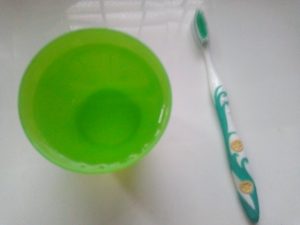
Don’t Ever Leave Home without Brushing your teeth
Brushing your teeth at night should never replace brushing in the morning. Maintaining both morning and nighttime oral hygiene is essential for healthy teeth and gums. If you prefer brushing before your morning meal, it is advisable to rinse your mouth thoroughly with water after eating.
The main purpose of brushing is to remove dirt, plaque, and food particles from the mouth, leaving little or nothing for bacteria to feed on. This is why brushing after meals is often considered more effective in maintaining good oral hygiene.
Nighttime brushing is especially important because while you sleep for 4 to 8 hours, saliva production naturally reduces. Saliva plays a major role in cleaning and protecting the mouth. When food particles remain trapped between the teeth overnight, bacteria have enough time to feed on them, which can lead to tooth decay, bad breath, and other dental problems.
A simple reminder to keep in mind:
“Brush in the morning to keep your friends, but brush at night to keep your teeth.”
Use a Medium Bristled Toothbrush
Getting it right is paramount; there are so many kinds of brushes out there soft, medium, and hard. For children the recommendation is a soft bristled brush while for adult it is a medium bristled brush. Hard brushes are prone to damaging your gum, root surface and even your protective enamel leading to uncomfortable discomforting sensitivity.
The work of cleaning of the teeth is done by the brush, in conjunction with your toothpaste but mainly by the toothbrush. Therefore getting the right brush is important, while been medium, the brush should have a good gripping handle and a narrow enough head to be able to get into all corners of the mouth.
Change your brush every 3 months: –
- Remember to always change your brush every 3 months or once the bristles begin to flare whichever one comes first.
Use a Fluoride Toothpaste to brush your teeth
Using fluoride toothpaste is a very essential part of oral hygiene; the outer most covering of the tooth (the enamel) is very hard. However it is porous and as such bacteria can produce acids that can pass through and break it down.
Fluoride essentially reduces the breakdown of enamel by strengthening the tooth structures and making it less susceptible to breakdown and decay. Fluoride also increase tooth remineralization and inhibits the bacteria cycle, all these and many more reasons make fluoride an extremely essential part of your toothpaste.
A lot of people also apply toothpaste to cover the entire surface of the brush, this amount to wastage. The amount needed is just a pea (or groundnut) size for adults and for children just a smear would do. If you follow these guides you wouldn’t need to buy toothpaste again as often as you use to previously.