Powerful Health Benefits of Egusi That Transform Your Body Naturally – Melon Seeds Benefits
Did you know that egusi seeds are packed with up to 30–40% protein and healthy fats, making them one of the most nutrient-dense local foods in Nigeria?
If you’ve been enjoying egusi soup for years, have you ever stopped to ask: What exactly is it doing for my body? like what benefit do I really derived from egusi (melon seeds)?
The truth is, the health benefits of egusi go far beyond taste. From supporting your heart to strengthening your immune system, this humble seed can transform your health when used properly.
At BestHomeDiet, we believe in turning everyday Nigerian foods into powerful health tools. In this ultimate guide, you’ll discover how egusi works inside your body, who should eat it, who should be cautious, and how to maximize its benefits.
What Is Egusi and Why Is It So Powerful?
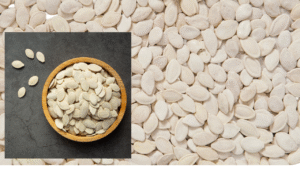
Egusi comes from melon seeds (Citrullus lanatus species), widely consumed across West Africa.
Unlike regular watermelon seeds, egusi is specifically cultivated for:
- Thickening soups
- Nutritional value
- Oil extraction
Nutritional Breakdown of Egusi (Per 100g)
Nutrient | Amount | Why It Matters/Benefits |
| Protein | 30–35g | Muscle repair & immune support |
| Healthy Fats | 45–50g | Brain & heart health |
| Fiber | Moderate | Digestion support |
| Magnesium | High | Blood pressure control |
| Iron | Good source | Prevents anemia |
| Zinc | Present | Immunity & skin repair |
“Egusi is not just a soup thickener – it’s a nutrient powerhouse hiding in plain sight.”
Mini Summary:
Egusi is high in protein, healthy fats, and essential minerals. It provides energy, supports muscle repair, and promotes overall wellness.
1. Health Benefits of Egusi for Heart Health
Heart disease is increasing in Nigeria due to poor diet and processed foods.
One of the most important health benefits of egusi is its impact on cardiovascular health.
How Egusi Supports Your Heart
- Contains healthy unsaturated fats
- Rich in magnesium (helps relax blood vessels)
- Supports cholesterol balance
- Reduces inflammation
Step-by-Step: Using Egusi for Heart Health
- Avoid excessive palm oil when cooking egusi soup
- Combine with leafy vegetables (ugu, spinach)
- Limit red meat; use fish instead
- Control portion size
Common Mistake to Avoid:
Cooking egusi with too much oil cancels out its heart-friendly benefits.
Mini Summary:
Egusi can support heart health — but preparation matters.
2. Health Benefits of Egusi for Muscle Growth & Weight Management
If you go to the gym or want to maintain muscle mass, egusi is your local superfood.
Why Egusi Helps Muscle Growth
- High-quality plant protein
- Supports tissue repair
- Provides sustained energy
Egusi vs Other Protein Sources
Food | Protein Level | Cost (Nigeria) | Accessibility |
| Chicken | High | Expensive | Moderate |
| Eggs | Moderate | Affordable | Easy |
| Egusi | High | Affordable | Very Easy |
Egusi offers an affordable protein source for families.
For Weight Loss – Is Egusi Good?
Yes, but:
- It is calorie-dense
- Portion control is key
- Combine with vegetables
- Avoid excessive swallow portions
Mini Summary:
Egusi helps muscle repair and satiety, but overconsumption can lead to weight gain.
3. Health Benefits of Egusi for Skin, Hair & Immunity
Your skin reflects what you eat.
Egusi contains:
- Zinc
- Vitamin E
- Healthy oils
- Antioxidants
These nutrients help:
- Reduce skin dryness
- Improve wound healing
- Strengthen immune response
- Support hair growth
Real-Life Scenario
If you frequently experience dry skin or slow wound healing, adding moderate egusi to your diet may support recovery due to its zinc content.
Healthy skin starts in your kitchen, not your bathroom cabinet.
Mini Summary:
Egusi nourishes your skin and immune system from within.
4. Health Benefits of Egusi for Blood Pressure & Blood Sugar
Many Nigerians struggle with hypertension and diabetes.
Blood Pressure Support
Egusi is rich in magnesium, which:
- Relaxes blood vessels
- Improves circulation
- Reduces hypertension risk
Blood Sugar Considerations
Egusi itself is low in carbohydrates.
However:
- Excess swallow increases blood sugar
- Palm oil overload increases calorie intake
Smart Strategy for Diabetics
- Eat smaller portions
- Pair with vegetable soup base
- Use minimal oil
- Choose fish over fatty meat
Mini Summary:
Egusi can fit into a diabetic-friendly diet when prepared correctly.
How to Cook Egusi the Healthy Way (BestHomeDiet Method)
Many people unknowingly destroy the nutritional value.
Step-by-Step Healthy Egusi Cooking Framework
- Use minimal palm oil
- Add plenty of leafy vegetables
- Choose lean protein (fish, turkey)
- Avoid excessive frying
- Control portion size
Oil Control Formula
If cooking for 4 people:
- Use 2–3 tablespoons oil maximum
This simple change drastically improves health outcomes.
Potential Drawbacks of Egusi
To build trust, let’s be honest.
Possible Concerns
- High calorie density
- Can cause weight gain if overconsed
- May trigger allergies (rare cases)
- High-fat content unsuitable for very low-fat diets
Moderation is the key.
Expert Video Guide on Benefit of Egusi For Diabetes
“Health Benefits of Egusi Seeds Explained” (Search on YouTube for medical nutrition breakdown by certified dietitians)
This enhances visual understanding of portion control and nutrient analysis.
Key Takeaways About Melon Seeds
- Egusi is rich in protein and healthy fats
- Supports heart health when prepared properly
- Helps muscle growth and satiety
- Benefits skin, hair, and immunity
- Can support blood pressure control
- Portion control is critical
- Preparation method determines health value
Frequently Asked Questions (FAQ)
1. Is egusi good for weight loss?
Yes, in moderation. It promotes fullness but must be portion-controlled.
2. Can diabetics eat egusi soup?
Yes. Focus on small swallow portions and minimal oil.
3. Is egusi high in cholesterol?
No. It contains plant-based fats, not dietary cholesterol.
4. How often should you eat egusi?
2–3 times per week is reasonable for most adults.
5. Is egusi good for children?
Yes. It provides protein and essential minerals needed for growth.
The Question is Should You Start Eating More Egusi?
The health benefits of egusi make it one of Nigeria’s most underrated superfoods.
But here’s the truth:
It’s not just about eating egusi.
It’s about how you prepare and portion it.
At BestHomeDiet, we encourage you to:
- Cook smarter
- Control oil
- Increase vegetables
- Balance your plate
If you apply these strategies, egusi can transform your health naturally.
Now your next step is simple:
The next time you cook egusi soup, apply the healthy framework you just learned.
Your heart, skin, muscles, and future self will thank you.