Updated 8th May 2026 >>> Beetroot juice is a naturally sweet, refreshing, and nutrient-rich beverage that many people have enjoyed since childhood. Often referred to as “blood medicine” because of its deep red color, beetroot also known as beets is much more than a colorful vegetable, it is considered a superfood and is widely consumed around the world for its impressive nutritional value and numerous health benefits.
This nutritious beets is essential for a good health as it lowers blood pressure, gives stamina, reduces cholesterol level, helps bowel movement, low in fat and less calories while the green leaves are so better to taste.
Health Benefits of Beetroot Juice
Helps Lower Blood Pressure
One of the most well-known benefits of beetroot juice is its ability to naturally lower blood pressure. Beetroot contains dietary nitrates that are converted into nitrites and then into nitric oxide within the body. Nitric oxide helps relax and widen blood vessels, improving blood flow and reducing pressure on the arterial walls.
As a result, both systolic and diastolic blood pressure may decrease, promoting better cardiovascular health. Individuals with heart failure may also experience improved muscle function and exercise tolerance when beetroot juice is consumed regularly.
Supports Liver Health and Detoxification
Beetroot juice contains a beneficial compound known as betaine, which helps protect the liver from damage caused by toxins and excessive fat accumulation. Regular consumption may help reduce the risk of non-alcoholic fatty liver disease and support the liver’s natural detoxification processes.
Additionally, beetroot helps regulate homocysteine levels in the blood, reducing stress on the cardiovascular system. Its powerful antioxidants also help eliminate harmful cholesterol deposits and protect against heart-related diseases.
Low in Calories and Fat
For individuals aiming to lose weight or maintain a healthy body weight, beetroot juice is an excellent dietary choice. Despite its naturally sweet taste, it is relatively low in calories and contains no unhealthy fats.
The fiber content found in beetroot promotes satiety, helping you feel fuller for longer periods. This can reduce unnecessary snacking and cravings while supporting healthy digestion and metabolism.
Rich Source of Folate
Beetroot juice is an excellent source of folate (Vitamin B9), a nutrient that plays a critical role in cell growth, DNA formation, and tissue repair.
Folate is especially important during pregnancy, as it helps reduce the risk of neural tube defects affecting a baby’s brain and spinal cord. Adequate folate intake also supports healthy red blood cell production and overall cellular function.
Boosts Stamina and Physical Performance
Athletes and physically active individuals often consume beetroot juice to improve endurance and performance. The natural nitrates present in beetroot increase oxygen delivery to muscles, allowing them to work more efficiently during exercise.
This enhanced oxygen utilization helps reduce fatigue, increase stamina, and improve overall physical performance. Beetroot juice may also support healthy red blood cell production, further enhancing oxygen transport throughout the body.
Promotes Heart Health
The combination of nitrates, antioxidants, and fiber makes beetroot juice highly beneficial for heart health. It helps improve circulation, reduce bad cholesterol (LDL), and protect blood vessels from oxidative damage.
Regular consumption may lower the risk of heart disease, stroke, and other cardiovascular conditions while supporting a stronger and healthier heart.
Supports Healthy Digestion
Beetroot contains dietary fiber that promotes proper digestion and regular bowel movements. It helps maintain a healthy digestive tract by supporting beneficial gut bacteria and preventing constipation.
A healthy digestive system also improves nutrient absorption and overall well-being.
Rich in Antioxidants
The deep red pigment of beetroot comes from compounds called betalains, which possess powerful antioxidant and anti-inflammatory properties. These antioxidants help neutralize harmful free radicals, reducing cellular damage and protecting the body against chronic diseases.
May Improve Brain Function
The increased blood flow promoted by nitric oxide not only benefits the heart but also the brain. Improved circulation can enhance cognitive function, memory, concentration, and mental alertness, especially in older adults.
Supports a Healthy Immune System
Beetroot juice contains Vitamin C, iron, and various antioxidants that help strengthen the immune system. These nutrients support the body’s natural defense mechanisms and may help protect against infections and illnesses.
How to Make Beetroot Juice
Ingredients
- 2 medium-sized beetroots
- 1 large apple
- ½ stick fresh ginger root (optional)
- A little water for blending
Method of Preparation
Step 1: Prepare the Beetroot
Wash the beetroots thoroughly under running water to remove any dirt. Peel off the skin and cut them into small cubes for easier blending.
Step 2: Prepare the Apple
Wash the apple well, remove the core and seeds, then chop it into cubes.
Step 3: Blend the Ingredients
Add the chopped beetroot, apple, and ginger (if using) into a blender. Pour in a small amount of water and blend until smooth.
Step 4: Strain the Juice
Pour the blended mixture through a fine sieve, cheesecloth, or nut milk bag to separate the juice from the pulp. Discard the chaff or save it for use in smoothies, baking, or composting.
Step 5: Serve and Enjoy
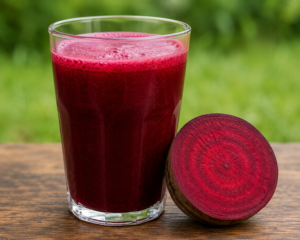
Pour the fresh beetroot juice into a glass and serve immediately. For a more refreshing taste, chill in the refrigerator or serve over ice cubes.
Tips for the Best Beetroot Juice
- Include a carrot for additional sweetness and nutrients.
- Drink the juice fresh to maximize its nutritional benefits.
- Store any leftover juice in an airtight container in the refrigerator and consume within 24 hours.
Juice is ready
Serve chilled